As we move further into spring, the San Mateo County housing market continues to show resilience, even as broader economic conditions remain mixed.
The latest economic reports point to a market balancing two competing forces:
- Improving employment and hiring activity
- Persistent inflation and higher consumer costs
While uncertainty remains around interest rates, inflation, and the broader economy, local housing demand has continued to hold steady across much of the Peninsula.
Here’s what the latest data is showing and what it may mean for buyers and sellers moving into summer.
Hiring Activity Shows Signs of Stabilizing
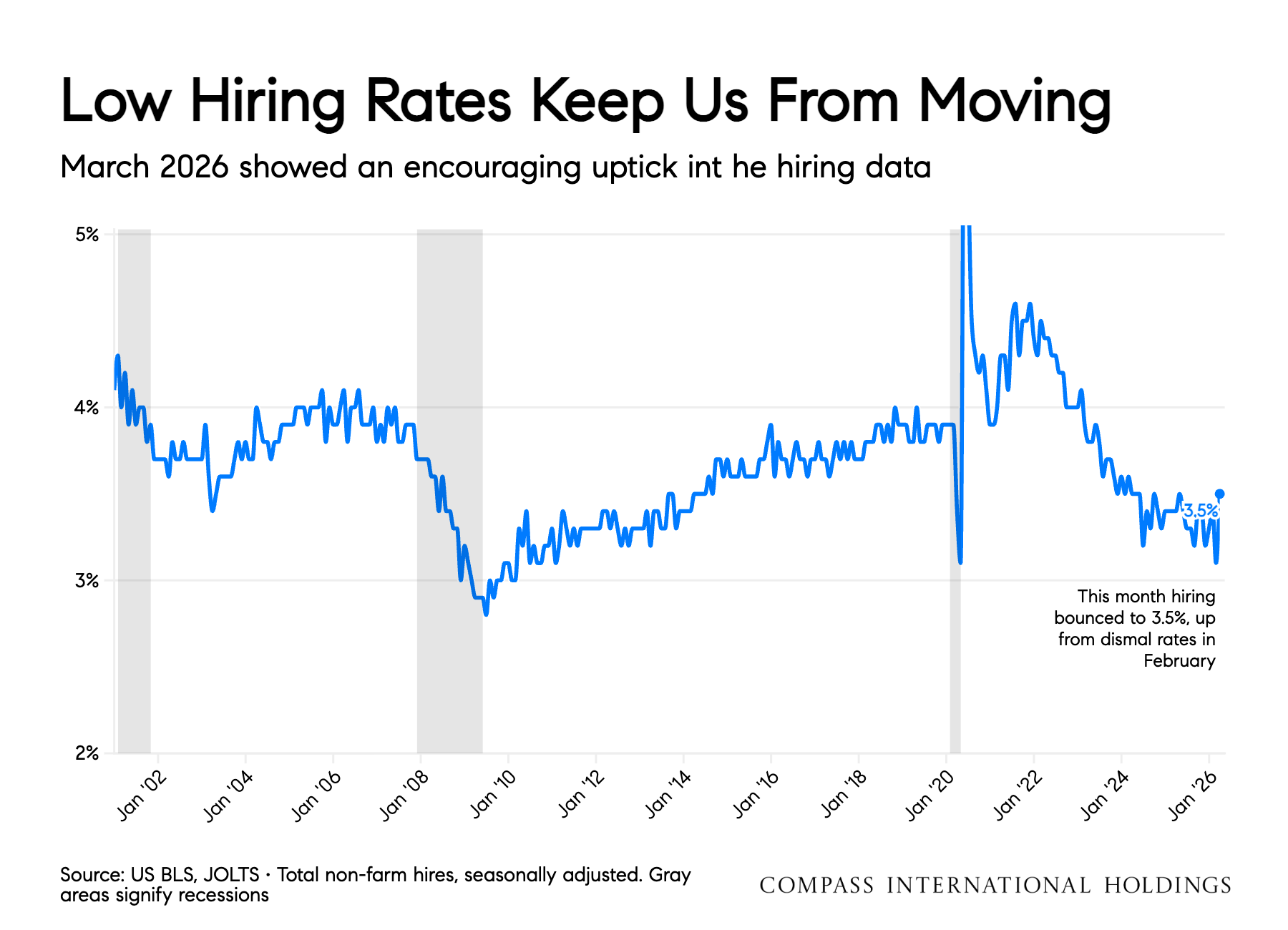
One of the more encouraging developments this month is the improvement in hiring data.
After a weaker start to the year, March hiring rates rebounded to approximately 3.5%, signaling that employers are beginning to stabilize hiring activity again. This matters because employment growth remains one of the strongest drivers of housing demand.
When people feel secure in their jobs, they are more likely to:
- Purchase homes
- Relocate for work
- Move forward with long-term financial decisions
While hiring activity is still below peak post-pandemic levels, the recent rebound suggests the market may be finding a more balanced footing.
This is an important signal for housing demand moving forward.
Unemployment Remains Historically Low
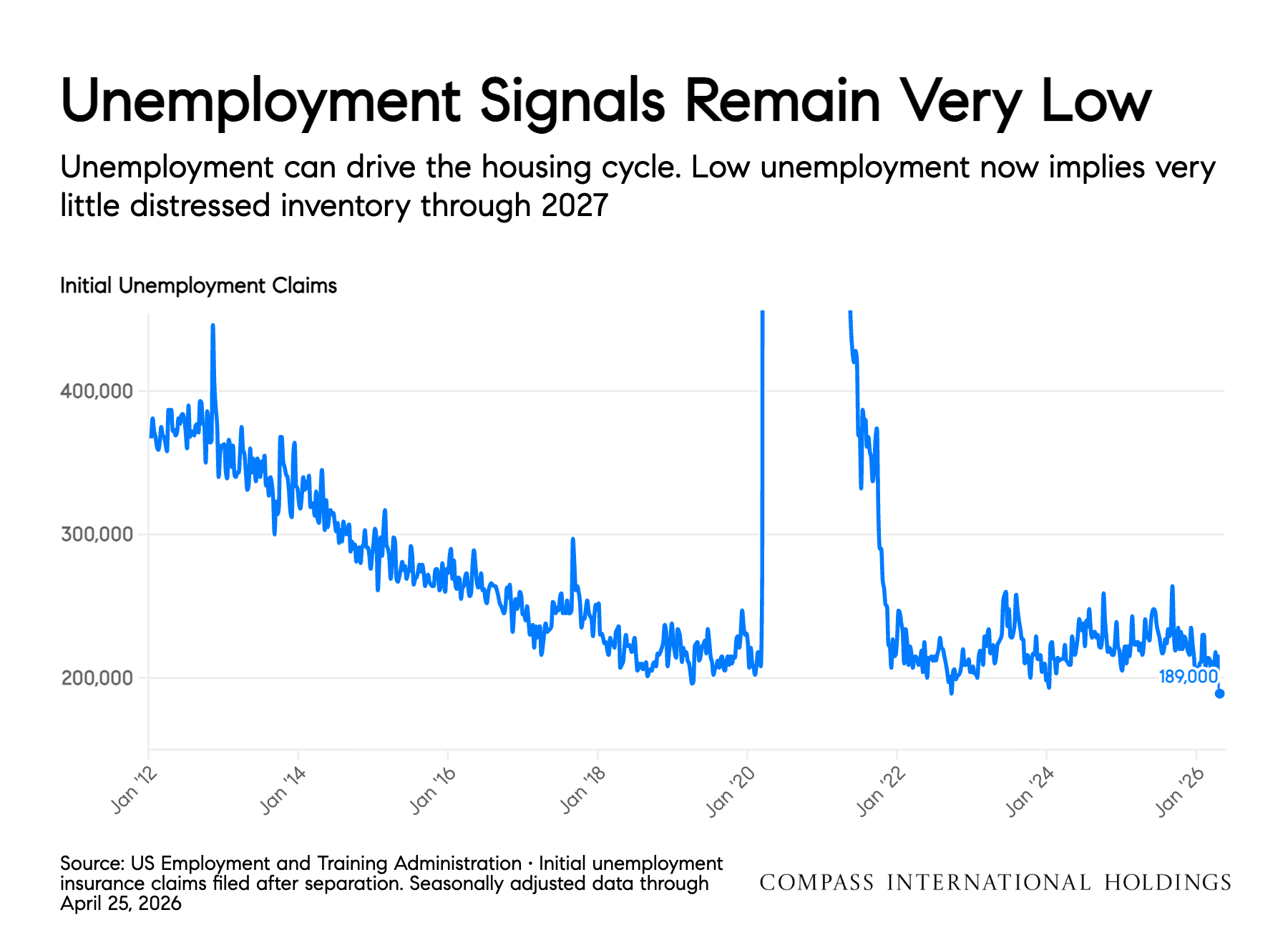
At the same time, unemployment indicators continue to remain extremely low.
Initial jobless claims have stayed near historically healthy levels, reinforcing the idea that the labor market remains relatively tight despite economic concerns.
This is significant for real estate because low unemployment typically limits distressed inventory and supports overall market stability.
For now:
- Most homeowners remain financially secure
- Forced selling remains limited
- Inventory pressure continues to stay constrained
This ongoing stability continues to support pricing across San Mateo County.
Inflation Remains One of the Market’s Biggest Challenges
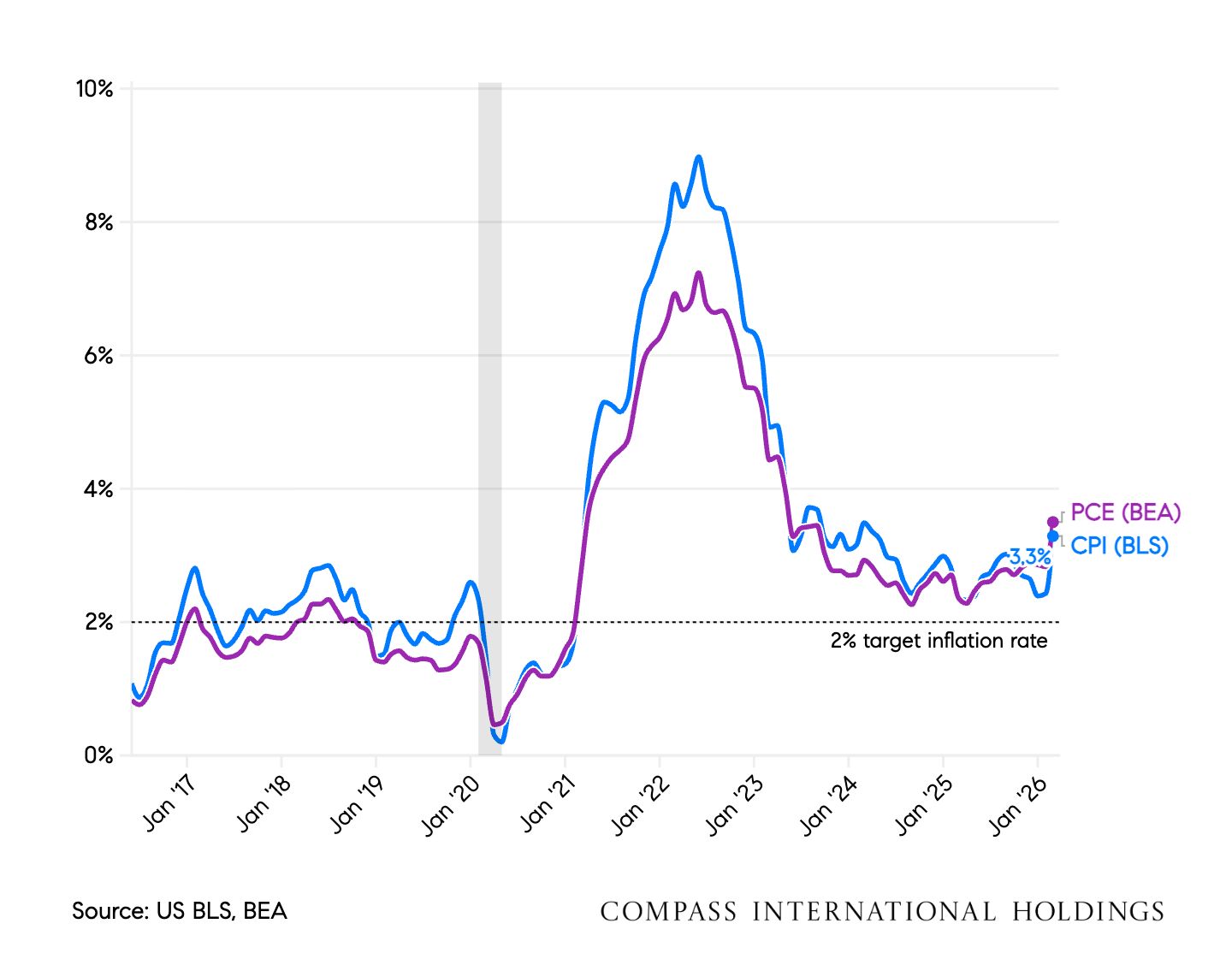
While employment data has been encouraging, inflation continues to remain elevated.
Recent reports show inflation still sitting above the Federal Reserve’s long-term 2% target, largely driven by:
- Higher energy costs
- Rising oil prices
- Tariffs and supply chain pressures
- Continued government spending
This matters because inflation directly impacts mortgage rates.
As inflation stays elevated, the Federal Reserve is less likely to aggressively lower interest rates in the near future. That means buyers should continue expecting mortgage rates to remain relatively elevated throughout much of 2026.
Affordability remains one of the market’s biggest challenges.
Oil Prices Are Adding More Pressure
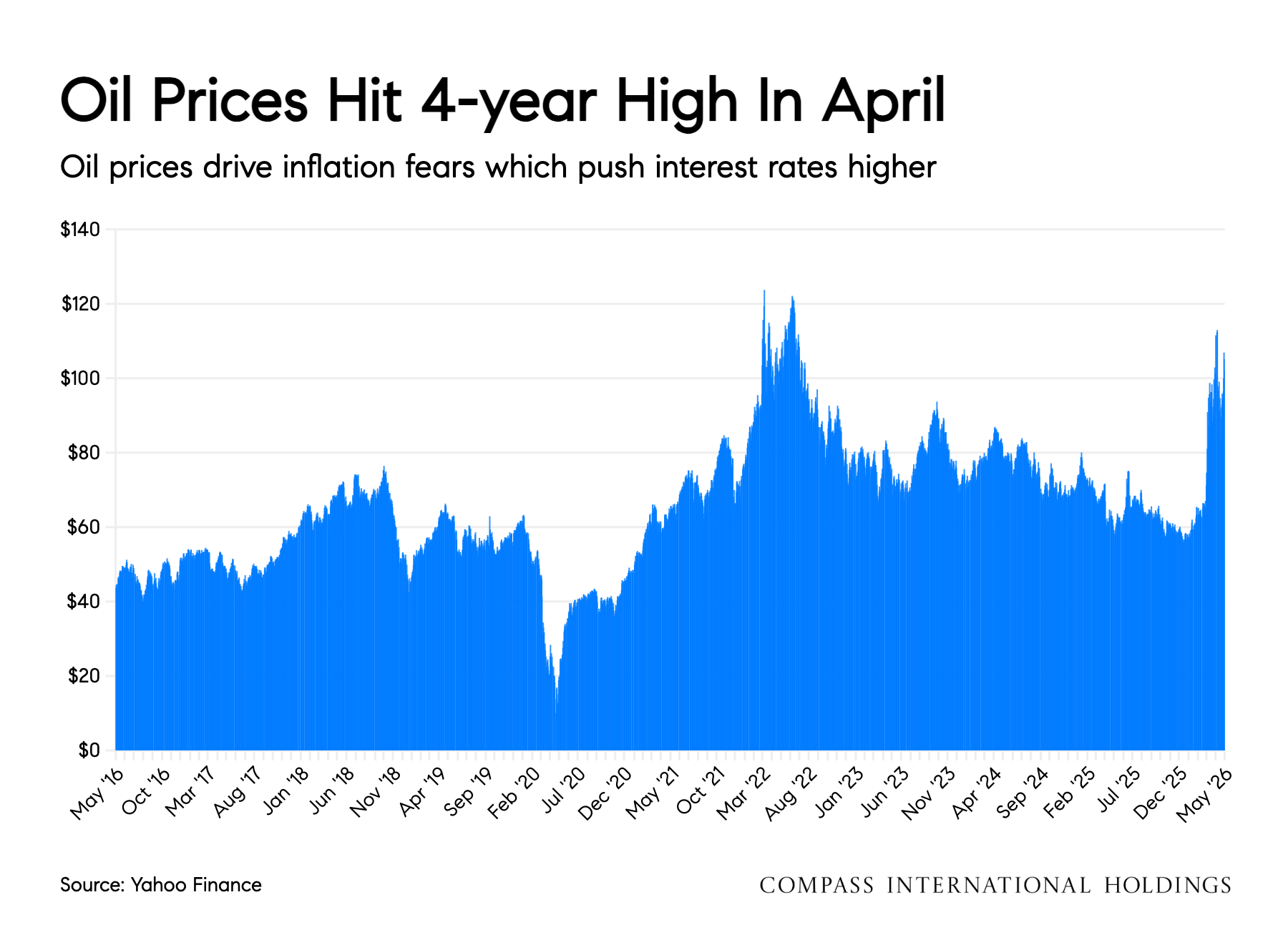
Another major factor influencing inflation this spring has been rising oil prices.
Oil recently reached its highest levels in several years, adding additional pressure to transportation, goods, and consumer costs across the economy.
Historically, rising energy prices often contribute to:
- Higher inflation
- Increased borrowing costs
- More cautious consumer spending
While the housing market has remained active, sustained increases in oil prices could continue putting upward pressure on mortgage rates moving forward.
This remains an important trend to watch.
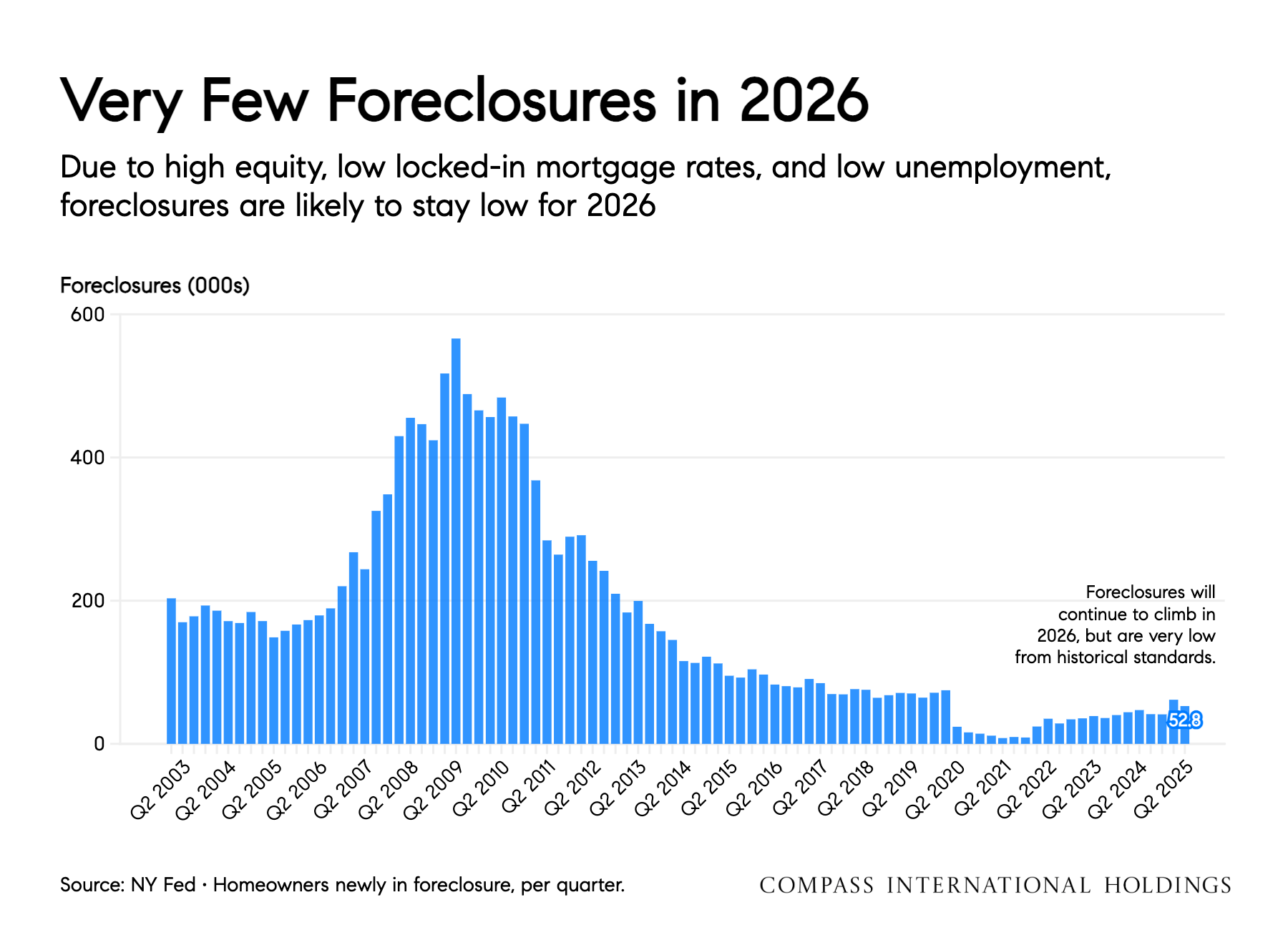
Foreclosures Remain Extremely Low
Despite higher rates and affordability concerns, foreclosure activity remains remarkably low compared to historical standards.
This is one of the most important differences between today’s market and previous housing downturns.
Several factors continue limiting foreclosure activity:
- Strong homeowner equity
- Low locked-in mortgage rates from prior years
- Stable employment conditions
- Tighter lending standards over the past decade
Even though foreclosure numbers have risen slightly from pandemic-era lows, they remain historically minimal.
This continues to restrict inventory and helps support overall pricing stability.
What This Means for Buyers
For buyers, today’s market remains competitive but more balanced than the ultra-aggressive conditions of recent years.
The current environment means:
- Buyers need patience and preparation
- Affordability remains a key consideration
- Well-priced homes still move quickly
- Negotiation opportunities can exist in certain segments
Preparation remains one of the biggest advantages buyers can have in today’s market.
What This Means for Sellers
For sellers, low inventory and strong homeowner equity continue supporting home values.
However, today’s buyers are more selective and financially cautious than they were during peak pandemic demand.
This means:
- Strategic pricing is essential
- Presentation matters more than ever
- Homes that feel turnkey continue performing best
The homes that stand out continue attracting the strongest activity.
Final Thoughts
The 2026 housing market continues balancing resilience with economic uncertainty.
- Unemployment remains low
- Hiring activity is improving
- Inflation pressures persist
- Oil prices are adding economic pressure
- Foreclosures remain historically limited
While higher rates continue impacting affordability, the broader housing market remains far more stable than many expected.
The combination of low inventory, strong homeowner equity, and stable employment conditions continues supporting the market as we move toward summer.
Understanding both the local market and the broader economic picture remains critical when making real estate decisions in today’s environment.
If you’d like a more personalized breakdown of how these trends affect your neighborhood, home value, or buying strategy, feel free to reach out anytime.
